
Landlord & Tenant
Defects in a Rented Flat or House in Türkiye: Repair, Rent Reduction, Damages and Termination Under the Code of Obligations
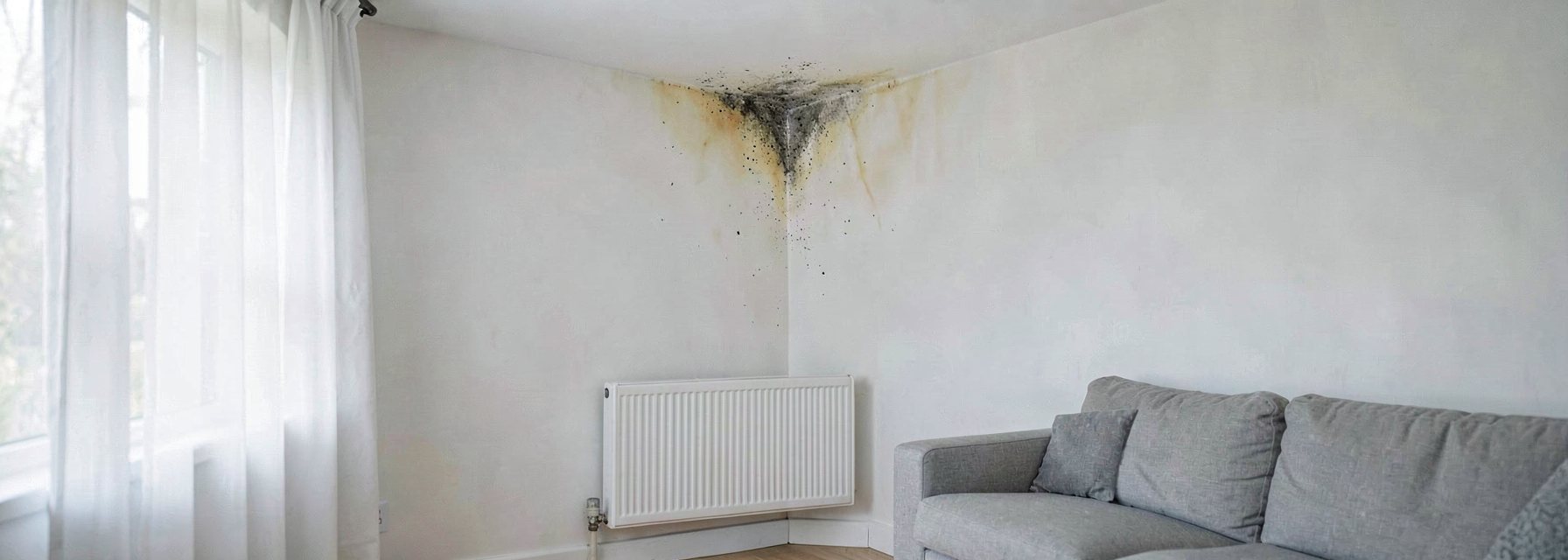
Damp spreading across a wall, a boiler that will not start, a roof that leaks: when a rented flat or house in Türkiye has a defect, the Turkish Code of Obligations No. 6098 tells the tenant what to ask for. This guide, published on 26 November 2026, reads Articles 301 and 304 to 308 of the Code together with the tenant's own duties, the deposit, and the mediation and court route open to a foreign tenant in Istanbul.
What can you do if your rented flat in Türkiye has a defect? Under the Turkish Code of Obligations No. 6098 (Türk Borçlar Kanunu, TBK), the landlord must deliver the flat fit for the use the contract envisages and keep it in that condition for the whole lease, and in leases of dwellings this cannot be changed to the tenant's detriment (Art. 301). If a defect appears, the tenant may ask the landlord to remove it, ask for a rent reduction in proportion to the defect, or ask for compensation of the loss (Art. 305(1)). If the tenant asks for removal within an appropriate period and the defect is not removed in that period, the tenant may have it removed at the landlord's expense and deduct the resulting claim from the rent, and in the conditions of Article 306(2) terminate the lease (Art. 306). Tell the landlord about the defect without delay (Art. 318), and before suing apply to a mediator: in disputes arising from a lease relationship, mediation is a condition of the lawsuit (HUAK Art. 18/B(1)(a)).
This guide follows the text of the legislation. It does not describe how courts decide individual cases, how long proceedings take or what they cost.
1. The Landlord's Duty: A Flat Fit for the Agreed Use
Article 301 of the Turkish Code of Obligations No. 6098 (Türk Borçlar Kanunu, TBK) sets the starting point. The landlord must hand over the leased property (kiralanan) on the agreed date, in a condition fit for the use the contract envisages (sözleşmede amaçlanan kullanıma elverişli), and keep it in that condition for the duration of the lease. The second sentence of the article protects the tenant: in leases of dwellings and roofed business premises (konut ve çatılı işyeri), this rule cannot be changed to the tenant's detriment.
The Code does not list what counts as a defect (ayıp). It measures the flat against the use the contract envisages. The lease shows the use agreed; an inventory and handover photographs record the condition in which the flat was delivered.
- Duty at handover and during the lease. Deliver on the agreed date, fit for the envisaged use, and keep the flat so (Art. 301, first sentence).
- Mandatory for homes. In leases of dwellings and roofed business premises, no change to the tenant's detriment (Art. 301, second sentence).
- The tenant's share. The tenant pays the cleaning and maintenance costs needed for ordinary use, and local custom is also taken into account (Art. 317).
2. Defects Present When You Move In: Important and Not Important (Art. 304)
Article 304 deals with defects that exist at handover and separates important (önemli) defects from defects that are not important (önemli olmayan).
- Delivered with important defects. The tenant may resort to the provisions on the debtor's default (borçlunun temerrüdü) or to the provisions on the landlord's liability for defects that arise later in the leased property (Art. 304(1)).
- Delivered with defects that are not important. The tenant may resort to the provisions on the landlord's liability for defects that arise later in the leased property (Art. 304(2)).
In both cases the remedies of Articles 305 to 308 are open; for an important defect, Article 304(1) also opens the rules on the debtor's default. Article 304 does not define what makes a defect important.
For a tenant who signs from abroad, the point to secure is evidence of the condition on the day of handover: dated photographs, a written handover note and messages sent to the landlord that day.
3. Defects That Appear During the Lease: Your Options Under Articles 305-308
When the flat becomes defective after handover, Article 305(1) lets the tenant ask the landlord for removal of the defect, a proportional rent reduction or compensation of the loss; Articles 306 to 308 explain each and add termination.
- Removal of the defect. The tenant may ask the landlord to remove the defect within an appropriate period (uygun bir süre) (Art. 306(1)).
- Removal at the landlord's expense. If the defect is not removed within that period, the tenant may have it removed at the landlord's expense and deduct the resulting claim from the rent, or ask for the leased thing to be replaced with a defect-free equivalent (Art. 306(1)).
- Rent reduction. Where defects affect the use of the flat, the tenant may ask for a reduction of the rent in proportion to the defect for the period from the moment the landlord learns of the defects until the defect is removed (Art. 307).
- Damages. The landlord must pay the tenant the loss arising from the defect unless the landlord proves that he or she was not at fault (Art. 308). Asking for damages does not prevent the tenant from using the other options (Art. 305(1), second sentence).
- Termination. In the case of an important defect, the tenant's right to terminate the lease is reserved (Art. 305(2)). Where the defect removes or significantly impedes the fitness of the flat for its envisaged use and is not removed within the period given, the tenant may terminate the lease (Art. 306(2)).
Timing matters. The reduction in Article 307 runs from the moment the landlord learns of the defect, not from the moment it appeared, and termination under Article 306(2) is tied to the period given for removal (verilen süre); a written request naming the defect and a period is the step the text builds on.
The landlord may instead replace the leased thing with a defect-free equivalent within an appropriate period (Art. 306(3)), or prevent the tenant from using the options by handing over a defect-free equivalent at once and compensating the tenant's entire loss (Art. 306(4)).
4. What You Must Do as the Tenant: Notify, Tolerate the Repair, Use With Care
- Notify without delay. The tenant must notify the landlord without delay (gecikmeksizin) of defects that the tenant is not obliged to remove; otherwise the tenant is liable for the damage that results (Art. 318).
- Tolerate the works. The tenant must tolerate works aimed at removing defects or preventing damage, and allow viewings to the extent necessary for maintenance, sale or later letting (Art. 319).
- The landlord's side of it. The landlord must give notice an appropriate period in advance and consider the tenant's interests; the tenant's rights to a rent reduction and to damages are reserved (Art. 319).
- Use with care. The tenant must use the flat with care in line with the contract and show the necessary respect to the people living in the building and to the neighbours (Art. 316).
A damp patch tests these duties. If water comes through an outside wall or from the flat above, the tenant who tells the landlord in writing at once has fixed, at the latest, the moment from which Article 307 counts the reduction (the landlord learning of the defect) and protected his or her own position under Article 318. If the landlord says the mould comes from the way the flat is used, Articles 316 and 317 (careful use; cleaning and maintenance costs for ordinary use) are the provisions in play, and the cause becomes a question of fact (see section 7). Article 318 does not prescribe a form; keep the full message thread or serve the notice through a notary.
5. Can You Stop Paying Rent Because of a Defect?
Articles 304 to 308 do not list stopping the rent among the tenant's options. They give a claim to a proportional reduction (Art. 307) and, once the appropriate period for removal has passed, a right to have the defect removed at the landlord's expense and deduct that claim from the rent (Art. 306(1)).
The other side is Article 315: if rent or service charges due after handover are not paid, the landlord may give a written period and announce termination if payment is not made; for dwellings the period is at least thirty days, running from the day after the written notice (Art. 315). A tenant who deducts anything should therefore be able to point to the article that allows the deduction.
6. Repairs and Changes: The Landlord's Works and Your Own
Article 320 allows the landlord to make renovations and changes that do not require termination of the lease and that the tenant can be expected to tolerate. While doing so, the landlord must take the tenant's interests into account, and the tenant's rights to a rent reduction and to damages are reserved (Art. 320).
The tenant's own renovations and changes need the landlord's written consent; a consenting landlord cannot ask for the former state back unless agreed in writing, and the tenant cannot claim the increase in value unless a written agreement says otherwise (Art. 321). The repair at the landlord's expense in Article 306(1) is a separate route.
Where the cause lies in the building's common parts, work on those parts is a matter between the flat owners under the Condominium Law No. 634 (see our guide to work on common parts and Article 19 of the Condominium Law); a construction defect raises the separate question of the owner's claims against the contractor (see our guide to defective construction and contractor liability). Neither question changes the landlord's duty to the tenant under Article 301.
7. Evidence of the Defect: Determination Before a Lawsuit (HMK Arts. 400-401)
Damp dries and leaks are repaired; the condition of a flat on a given day can be hard to show later. Article 400(1) of the Code of Civil Procedure No. 6100 (Hukuk Muhakemeleri Kanunu, HMK) lets a party ask, for a fact it will rely on in a future lawsuit, for steps such as an inspection on site (keşif), an examination by a court-appointed bilirkişi, or the hearing of witnesses. A legal interest is required; it is presumed where, if the evidence is not determined at once, it may be lost or putting it forward may become significantly harder (Art. 400(2)).
Before any lawsuit is filed, the request goes to the court that would hear the main case or to the civil court of peace (sulh mahkemesi) of the place where the thing to be inspected is located or where the witness to be heard lives (Art. 401(1)). The rules on fact determinations by notaries under the Notaries Law No. 1512 are reserved (Art. 401(2)).
8. Mediation First, Then the Civil Court of Peace
- Mediation is a condition of the lawsuit. In disputes arising from a lease relationship, applying to a mediator before a lawsuit is filed is a condition of the lawsuit (dava şartı); the provisions on eviction of leased immovables by enforcement without judgment under the Enforcement and Bankruptcy Law No. 2004 are excluded (Law No. 6325 on Mediation in Civil Disputes, HUAK, Art. 18/B(1)(a)).
- What happens if you skip it. A lawsuit filed without applying to a mediator is dismissed on procedural grounds for lack of the condition, without any further step; the final mediation record is attached to the statement of claim (HUAK Art. 18/A(2)).
- Where it does not apply. Where a special law requires arbitration or another alternative dispute resolution route, or where there is an arbitration agreement, the rules on mediation as a condition of the lawsuit do not apply (HUAK Art. 18/A(18)).
- Time limits pause. From the application to the mediation office until the final record is drawn up, limitation stops (zamanaşımı durur) and time limits that extinguish a right (hak düşürücü süre) do not run (HUAK Art. 18/A(15)).
- The court. Civil courts of peace (sulh hukuk mahkemeleri) hear all disputes arising from a lease relationship, including claims for receivables, regardless of the value in dispute, except the provisions on eviction by enforcement without judgment under Law No. 2004 (HMK Art. 4(1)(a)).
The same requirement and the same court apply to the other lease disputes covered on this site, such as the guide to the rent determination lawsuit and eviction for the landlord's own need.
9. When the Flat Changes Hands, and When You Move Out
If the landlord sells the flat during the lease, our guide to buying a tenanted property explains the position of the new owner and of the sitting tenant.
When the flat is returned, the landlord must inspect it and notify the tenant at once, in writing, of the deficiencies and defects for which the tenant is responsible; without that notice the tenant is released from all liability, except for those an ordinary inspection could not reveal, which the landlord must notify in writing at once when found (Art. 335).
In residential leases a contractual security may not exceed three months' rent; money is placed in a time-deposit savings account that cannot be withdrawn without the landlord's consent (Art. 342), and if the landlord has not notified the bank in writing, within three months after the lease ends, of a lawsuit or enforcement or bankruptcy proceedings against the tenant relating to the lease, the bank must return the security on the tenant's request (Art. 342). Our guide to the rental deposit refund covers the deposit in detail.
10. Side by Side: Defect, Remedy, Statute
| Situation | Tenant's remedy in the text | Provision |
|---|---|---|
| Important defect present at handover | The rules on the debtor's default, or the remedies for defects that arise later | TBK Art. 304(1) |
| Defect present at handover that is not important | The remedies for defects that arise later | TBK Art. 304(2) |
| Defect that appears during the lease | Removal, a rent reduction in proportion to the defect, or damages | TBK Art. 305(1) |
| Defect not removed within the appropriate period | Removal at the landlord's expense with deduction from the rent, or a defect-free equivalent | TBK Art. 306(1) |
| Defect that removes or significantly impedes fitness for the envisaged use and is not removed in the period given | Termination of the lease | TBK Art. 306(2) |
| Important defect | The right to terminate is reserved | TBK Art. 305(2) |
| Defect that affects the use of the flat | Proportional reduction from the landlord's knowledge until removal | TBK Art. 307 |
| Loss caused by the defect | Damages, unless the landlord proves no fault | TBK Art. 308 |
| Repair works or the landlord's renovations | Tolerate them; reduction and damages are reserved | TBK Arts. 319, 320 |
11. A Checklist for Tenants Facing a Defect
- Photograph the defect on the day you notice it, and keep the handover photographs and inventory next to those images.
- Notify the landlord in writing without delay, describe the defect and keep proof that the message arrived (TBK Art. 318).
- Ask for removal of the defect within a stated period (TBK Art. 306(1)).
- Allow access for the repair at a time notified to you in advance (TBK Art. 319).
- If the period passes, choose between removal at the landlord's expense with deduction, a reduction claim and, where its conditions are met, termination (TBK Arts. 305-307).
- If the cause of the defect is disputed, consider a determination of evidence before the condition changes (HMK Arts. 400-401).
- Apply to a mediator before any lawsuit (HUAK Art. 18/B(1)(a)); the lawsuit goes to the civil court of peace (HMK Art. 4(1)(a)).
Our real estate and litigation practices advise foreign tenants and landlords in English; reach us through the contact page.
Frequently Asked Questions
My rented flat in Istanbul has damp and mould. What can I ask the landlord for?
Under Article 305(1) TBK, the tenant may ask for removal of the defect, a proportional rent reduction or compensation of the loss. Notify the landlord without delay (Art. 318) and ask for removal within an appropriate period (Art. 306(1)).
Can I deduct repair costs from the rent?
Article 306(1) TBK allows it in one sequence. You ask the landlord to remove the defect within an appropriate period; if it is not removed within that period, you may have it removed at the landlord's expense and deduct the resulting claim from the rent.
Can I stop paying rent until the landlord repairs the flat?
Articles 304 to 308 TBK do not list stopping the rent among the tenant's options. They give a proportional reduction claim (Art. 307) and the deduction route in Article 306(1). Rent that falls due unpaid allows the landlord to give a written period, at least thirty days in residential leases, and to announce termination if it is not paid within that period (Art. 315).
When can I terminate the lease because of a defect?
Where the defect removes or significantly impedes the fitness of the flat for its envisaged use and is not removed within the period given, Article 306(2) TBK allows the tenant to terminate. In the case of an important defect, the right to terminate is reserved by Article 305(2).
Does an 'as is' clause in my lease take away these rights?
Article 301 TBK states that the landlord's duty to deliver the flat fit for the use the contract envisages and to keep it in that condition cannot be changed to the tenant's detriment in leases of dwellings and roofed business premises.
Do I need mediation before suing my landlord over a defect?
Yes. For disputes arising from a lease relationship, applying to a mediator before filing a lawsuit is a condition of the lawsuit under Article 18/B(1)(a) HUAK, except the provisions on eviction by enforcement without judgment; the rule does not apply where there is an arbitration agreement (HUAK Art. 18/A(18)). The lawsuit then goes to the civil court of peace (HMK Art. 4(1)(a)).